
Lake Atitlan Guatemala: A Hidden Gem in Central America
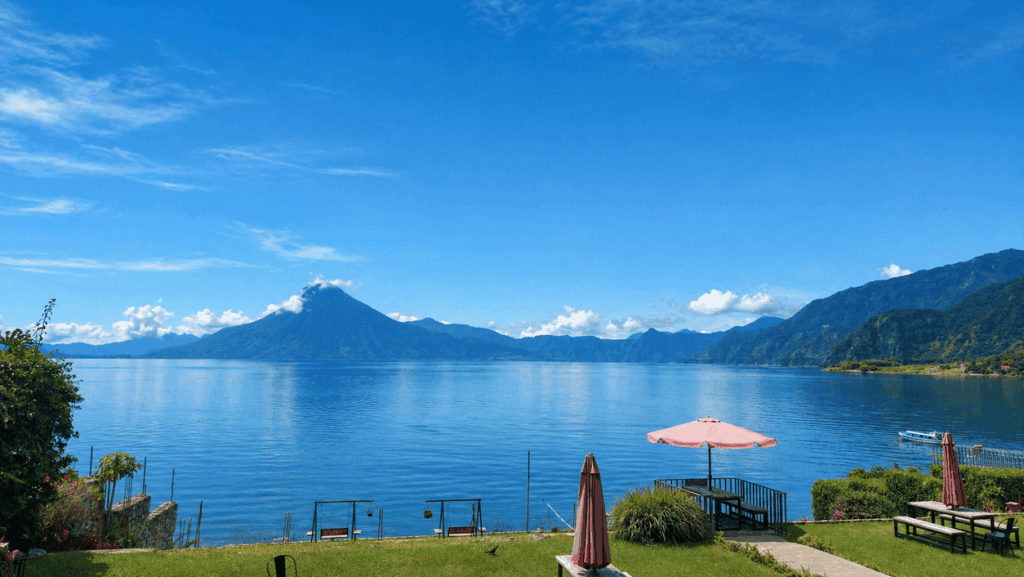
Volcanoes, Villages, and Vibrations: 5 Things Nobody Tells You About Lake Atitlán
To stand on the shore of Lake Atitlán is to feel small in the best way possible. Cradled within the indigo depths of a massive prehistoric caldera and guarded by three volcanic sentinels—San Pedro, Tolimán, and Atitlán—this body of water is a masterpiece of geography. But for the traveler, it is also a complex, high-altitude puzzle. With 11 distinct towns and villages clinging to the shoreline, the lake is less of a single destination and more of a "choose your own adventure" mystery. To navigate it successfully, you must learn to read its waters and respect its unique, often unpredictable, rhythms.

- 1. The "Guatemalan Hour" is Real (and Unpredictable)
- 2. Why "Pana" is More Than Just a Pitstop
- 3. The Strategy of the Split Stay
- 4. The 11:00 AM Deadline for Water Lovers
- 5. High-Altitude Thrills and High-Value Zen
- The Question of the Crater
- The Vibrant Competition of Death: Chichicastenango’s Painted Graveyard
- The Italian Illusion: A Cliffside Sanctuary at Casa del Mundo
- Adrenaline in San Marcos: The 12-Meter Leap of Faith
- The Free Beer Gambit: Social Engineering at Lake Atitlán
- Architecting the Perfect Day: The Micro-Climate Strategy
- A Final Thought for the Road
1. The "Guatemalan Hour" is Real (and Unpredictable)
Your journey to the crater will likely begin in Guatemala City or the colonial streets of Antigua. Nominally, the drive from the capital takes about four hours, while the trek from Antigua is closer to two. However, the first thing a seasoned traveler learns here is that "Guatemalan Hour" is a volatile currency.
The infrastructure in this region is at the mercy of the landscape. A trip that takes one hour on Tuesday can easily stretch into a four-hour odyssey on Wednesday due to traffic or road conditions. For solo travelers, the collective shuttle is the most prevalent and obvious lifeline. However, if you are traveling in a small group, a private taxi or Uber is often more direct and surprisingly cost-effective.
Guatemala is a masterclass in surrendering control. For the Type A traveler, this landscape is a humbling force; flexibility isn’t just a convenience—it’s the most vital piece of gear you’ll carry, far more important than a sturdy pair of boots or a waterproof shell.
2. Why "Pana" is More Than Just a Pitstop
Panajachel, affectionately known as "Pana," is the lake’s gateway. While many travelers treat it as a mere transit point before fleeing to the smaller villages, dismissing it is a mistake. Yes, it is the tourist hub, thick with vendors and "Tok Tok" drivers, but it possesses a depth that rewards the observant.
Beyond the main docks, Pana offers the most diverse culinary scene on the lake. You can find stunning views at Florida Cafe, excellent lunch fare at Little Spoon, or seek out the only sushi in town—which conveniently offers a two-for-one special on Thursdays.
"There are so many people here trying to give you taxis and tours and it's really a tourist destination but it is beautiful and there's a lot of authentic Mayan culture coming through in the streets here as well."
3. The Strategy of the Split Stay
A common tactical error is booking a single accommodation for your entire trip. Because the lake is vast and travel is dominated by water taxis (roughly 25 quetzales per ride), your experience is naturally tethered to whatever village you call home. To truly see the lake, I recommend splitting a five-to-seven-night stay between at least two or three different towns. This allows you to experience the villages after the boat schedule ends and the day-trippers vanish.
To help you map out your stay, here is a "vibe check" of the five primary hotspots:
- Panajachel: The bustling gateway where high-energy markets meet authentic Mayan heritage and the lake’s best culinary variety (check into Dreamer Boat or Selena).
- Santa Cruz: A steep, hillside village defined by "summer camp for adults" vibes at hostels like Free Cerveza or La Iguana.
- San Marcos: The holistic heart of the lake, where spiritual seekers find yoga, vegan fare, and cliffside thrills.
- San Juan: A vibrant cultural sanctuary famous for its textile weaving demonstrations, stingless bees, and traditional cooking classes.
- San Pedro: A high-energy backpacker magnet where the night begins at Mr. Mullet’s and ends in international friendships.
4. The 11:00 AM Deadline for Water Lovers
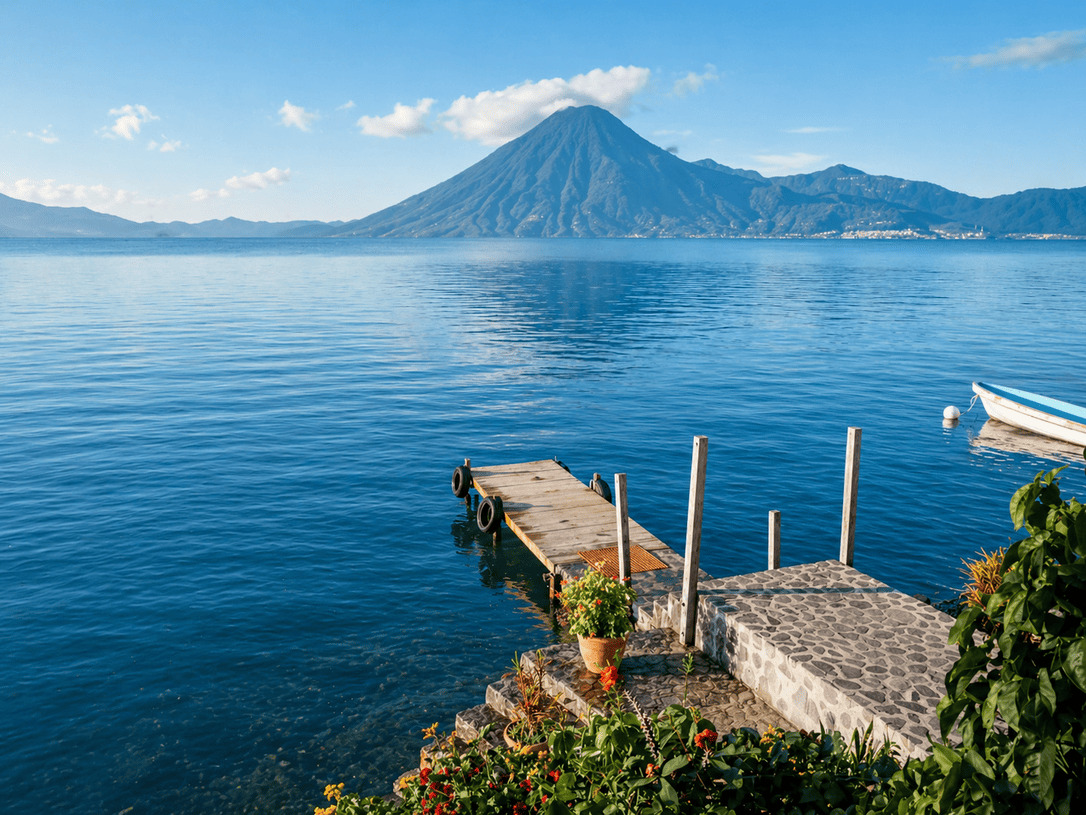
Life on the lake is governed by a strict environmental deadline. Around 11:00 AM, the winds shift, and the water transforms from a glassy mirror into a "choppy," bone-jarring surface. This isn't just a minor inconvenience; it dictates the entire rhythm of the crater.
 Precios de autobuses a Quetzaltenango desde Ciudad de Guatemala 2025
The morning is for the water. If you want to experience the silence of a sunrise paddleboard session, you must be on the dock by dawn. Hostels like Free Cerveza in Santa Cruz offer free rentals to capitalize on these calm hours. Once the 11:00 AM deadline hits, boat travel becomes significantly more physical, and water sports become nearly impossible. This creates a "front-loaded" day: the mornings are for exploration and lake activities, while the afternoons are reserved for land-based pursuits, such as the weaving looms of San Juan or a slow, whole-food lunch at The Emporium in San Marcos.
5. High-Altitude Thrills and High-Value Zen
San Marcos is a town of extremes, offering both adrenaline and deep stillness. For a couple of dollars, you can enter the natural reserve near the boat dock to access the famous 12-meter (39-foot) wooden cliff-jumping platform. It is a terrifying height—even with a lifeguard present—and more than one traveler has walked away with a "hurt butt" and a bruised ego.
If you prefer your thrills to be visual rather than physical, take a $2 Tok Tok ride up the hill to Eagle’s Nest. This resort and yoga facility offers what might be the most spectacular view in Central America. For a $20 USD drop-in fee, you can join a world-class yoga class on a platform that seems to float above the volcanoes.
"Their yoga platform here is absolutely incredible... I don't know if I will ever practice yoga in such a beautiful space again. Our class was $20 each US and I think it was totally worth it."
The Question of the Crater
Lake Atitlán is a destination that demands at least a full week to truly appreciate. From the "adult summer camp" atmosphere of the Santa Cruz hostels to the quiet, cultural richness of San Juan, the crater offers a spectrum of experiences that cannot be rushed.
As you plan your journey, you must ask yourself: are you looking for the hedonistic energy of the backpacker hub in San Pedro, or do you crave the holistic stillness and cliffside jumps of San Marcos? Your answer will determine which side of the volcano you should call home.

Lake Atitlán is frequently cited as the most beautiful lake in Central America, a reputation earned by its dramatic volcanic backdrop and deep blue waters. However, for many travelers, the sheer variety of towns can lead to "decision paralysis" and the fear of missing the lake's authentic heart. This guide distills nine days of immersive exploration across three unique lakeside stays to reveal the essential experiences that define this destination.
The Vibrant Competition of Death: Chichicastenango’s Painted Graveyard
While cemeteries are rarely top-of-mind for tourists, the Chichicastenango Cemetery—a two-hour shuttle from the lake—is a cultural essential. The site is a vibrant explosion of color, a stark contrast to the somber, monochromatic graveyards of the West. If you are staying at Saba in San Pedro, utilize their logistical "breakfast hack": they provide a takeaway meal for the 7:30 AM shuttle departure (225 quetzals).
The tradition is rooted in a unique blend of celebration and social status, where locals walk freely over graves amidst a sea of traditional outfits and the sounds of the nearby market. Regarding the cemetery's striking appearance, the local cultural logic is as follows:
"The reason why it’s so colorful is because they paint them the favorite color of the person has passed away... they saying it’s a bit of competition... when one person has a nice grave everyone else wants a nice grave—kind of this competition of who can have the nicest grave."
Beyond the cemetery, the market itself offers a sensory overload of vibrant umbrella streets and stalls selling everything from textiles to live chickens. While the market runs on Thursdays and Sundays, the cemetery remains a permanent testament to the town's living history.
Precios de autobuses a Quetzaltenango desde Ciudad de Guatemala 2025 Acuerdo Compromisorio (Acuerdo Especial 2008), Guatemala – Belice
The Italian Illusion: A Cliffside Sanctuary at Casa del Mundo
For travelers seeking a high-end European aesthetic without the Mediterranean price tag, Casa del Mundo offers a "Lake Como" experience for approximately $65 USD (100 AUD). This cliffside hotel is famous for its social media-worthy views and secluded atmosphere. It is built directly into the rock face, providing immediate access to the water for morning swims, though you must book at least two months in advance.
A logistical "hack" for staying here is to take advantage of the hotel's proximity to neighboring towns. While the on-site dining can be pricey, a 10-minute walk along the coastal path leads to local restaurants offering authentic meals at local prices. This allows budget-conscious travelers to enjoy a luxury setting while maintaining a backpacker's budget.
Adrenaline in San Marcos: The 12-Meter Leap of Faith
San Marcos La Laguna is widely known for its "quaint hippie vibe," but it also hosts the lake’s premier adrenaline activity. For an entry fee of 20 quetzals, visitors can enter the local nature reserve, which features a 12-meter jumping platform extending over the water. While the official height is 12 meters, the sheer drop often feels closer to 15 meters when you are standing on the edge.
While the jump provides a significant thrill, it requires precision. Travelers should be aware of the risk of injury, including concussions, if they fail to land vertically. For those who prefer a less intense experience, a 5-meter platform is available, and the reserve remains one of the best spots for a peaceful swim away from the boat traffic.
The Free Cerveza hostel utilizes a unique social model to foster a sense of community among travelers. By hosting nightly "family dinners," the hostel creates a shared space for guests to interact. The primary draw is the "social engineering" incentive: participating in the communal dinner unlocks one full hour of free beer.
Beyond the social scene, the hostel offers a high-value package of complimentary activities in their lakeside "casitas" and glamping tents:
- Morning stand-up paddleboarding (SUP) to catch the calmest water.
- Lakeside yoga sessions with volcano views.
- Access to pool tables and communal lounge areas.
- A designated swimming dock for post-sauna lake plunges.
Architecting the Perfect Day: The Micro-Climate Strategy
One of the most critical logistical takeaways for Lake Atitlán is understanding its specific weather pattern. The lake typically experiences clear, sunny mornings followed by cloudy or rainy afternoons. This "micro-climate" dictates a strict itinerary for any traveler looking to maximize their time in the water or on the trails.
The Golden Rule: If it involves water, do it before 12:00 PM.
Because of this window, staying directly on the lake—at locations like Saba ($120 USD/night) with its reflective glass and tiled floors—is superior to day-tripping. Being on-site allows you to wake up and enter the water immediately, maximizing the sunny hours. For transit between towns, public boats are readily available for 25 quetzals per trip; just ensure you flag down a public "lancha" to avoid private boat surcharges.
A Final Thought for the Road
Lake Atitlán is a rare destination that successfully balances high-adrenaline thrills like cliff jumping with the quiet, aesthetic luxury of cliffside resorts. Whether you are navigating the massive markets of Chichicastenango or paddling a board across a volcanic crater at dawn, the lake offers a version of paradise for every type of traveler.
If you could choose between a cliffside resort that feels like Italy or a hostel where community is built over free beer and family dinners, which version of paradise would you choose first?
Precios de autobuses a Quetzaltenango desde Ciudad de Guatemala 2025Acuerdo Compromisorio (Acuerdo Especial 2008), Guatemala – Belice DPI en Guatemala